
Slow Shopping - Strengthening the Case for Inclusive Retail
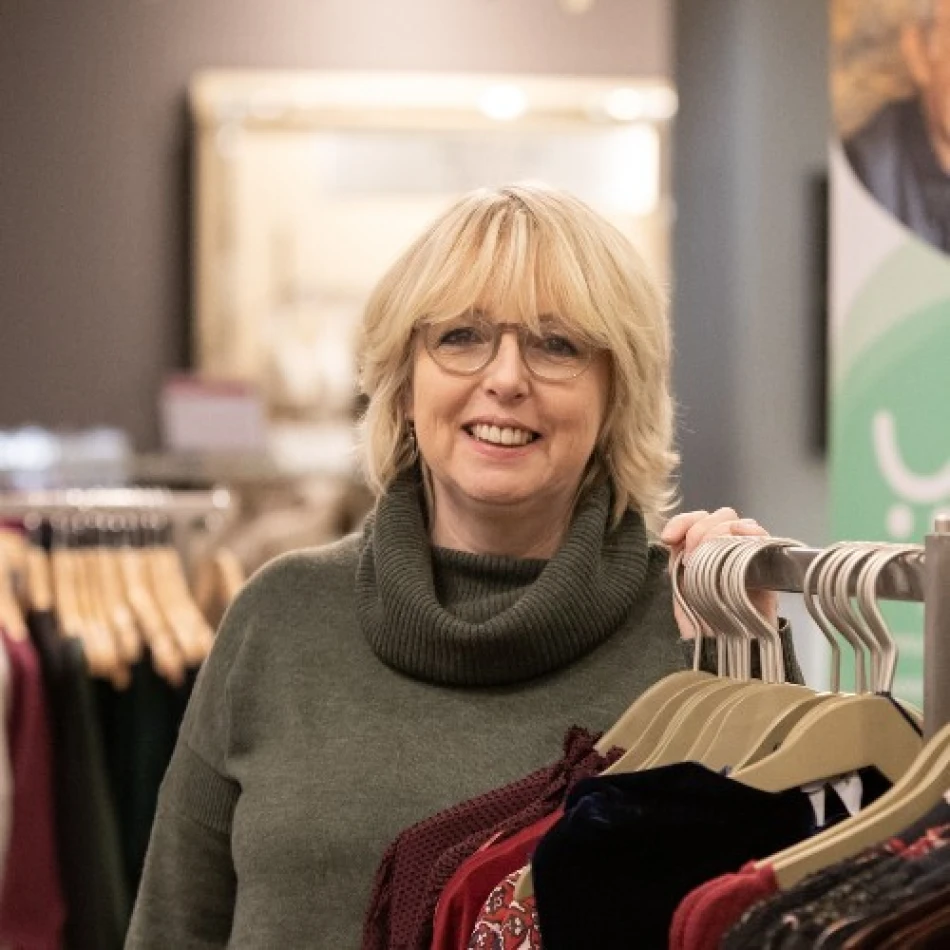
A pioneering initiative helping people who need more time and support while shopping has strengthened its evidence base and expanded its impact with research from academics at Newcastle University Business School, through the Arrow innovation programme.
The story is particularly timely as organisations across the UK mark Purple Tuesday on Tuesday 3 November, the national movement that encourages businesses and public services to improve accessibility and more inclusive customer retail experiences.
Founded by Katherine Vero, Slow Shopping was inspired by her experiences supporting her mother, who was living with dementia. After seeing how stressful shopping environments can become for people with dementia, anxiety, communication challenges and other disabilities, Katherine set out to create a more inclusive approach to retail.
Through Arrow, Katherine collaborated with Professor Charles Dennis, a specialist in digital marketing and consumer behaviour at Newcastle University Business School, and Justin Souter, Senior Innovation Associate in the Arrow team at Newcastle University. Together, they worked to develop a rigorous evidence base demonstrating the social, wellbeing and commercial benefits of creating calmer and more accessible shopping environments.
The project involved extensive research into similar initiatives around the world, alongside analysis of consumer behaviour and spending patterns. The findings helped provide a stronger business case for retailers to adopt more inclusive practices and gave Slow Shopping the evidence needed to engage partners, retailers, and future investors.
As part of the collaboration, field research was conducted in Newcastle City Council's Grainger Market, where retailers worked alongside the project team to identify practical steps for improving accessibility. This led to a pilot initiative featuring reduced background noise, additional seating, quiet spaces, and trained staff support.
The pilot proved highly successful and continues today, providing a welcoming environment for shoppers who benefit from a calmer retail experience. Slow Shopping, has also developed wider initiatives with including with Newcastle Building Society and Wagamama, as the organisation continues its mission to make everyday spaces more inclusive.
Commenting on the project, Katherine said: "I couldn’t have got this far without the research by Arrow. Arrow gave me a clear, rigorous pathway in my thinking about Slow Shopping and access to so many people."
Learn more about Slow Shopping’s Arrow project. https://arrowinnovation.org.uk/case-studies/evidence-based-innovation/
Arrow offers fully-funded innovation support to help North East organisations develop innovative new products, services, and processes by connecting them with specialist knowledge, facilities, and research expertise from the region’s universities.
Arrow is delivered in partnership by Durham University, Newcastle University, Northumbria University, and the University of Sunderland, and funded by the North East Mayoral Strategic Authority through its Integrated Settlement Fund
Discover how Arrow can support innovation in businesses based in County Durham, North Tyneside, South Tyneside, Sunderland, Gateshead, Newcastle, and Northumberland.
Image: Katherine Vero, Founder of Slow Shopping


